Cluj-Napoca remains Romania's most expensive residential market, with prices above €3,000/sqm — but 2026 also brings the first signs of cooling. The real figures, by neighbourhood, and what they mean if you want to buy, sell or invest.
If any city defines Romania's real estate market, it is Cluj-Napoca. For years it has been the country's most expensive residential market — a benchmark against which every other city is measured. In 2026, however, the picture is more nuanced: prices remain at the top, but the first signs of cooling are appearing. We have gathered the real figures, from verified sources, and put them in context — including from the perspective of an agency that has just opened an office in the heart of the city.
Romania's most expensive city
Cluj-Napoca leads the national price ranking by a wide margin. According to the Imobiliare.ro Index, at the start of 2026 the average asking price for apartments in Cluj had reached €3,254/sqm of usable area — far above the next cities: Brașov (€2,228/sqm) and Bucharest (€2,214/sqm). For comparison, the national average asking price was €1,974/sqm.
In other words, an apartment in Cluj costs, per square metre, almost 50% more than the national average. It is a position the city has held for many years and continues to consolidate.
Asking price vs. sale price: where the truth lies
Here is one of the most important lessons for anyone buying or selling in Cluj: the asking price and the price at which a deal actually closes are not the same thing. While the average asking price was around €3,250/sqm, the average price at which apartments actually sold in June 2026 was €3,055/sqm, according to Compariimobiliare.ro data.
The gap is no accident. Even in the country's most expensive market, there is room to negotiate: in Cluj the average negotiation margin reaches 4.5%, the highest among the major cities, and a home takes around 72 days to sell on average. For sellers and buyers alike, this means that reading the market correctly — and negotiating well — can be worth thousands of euros.
Growth has cooled
Although it remains the most expensive city, Cluj is no longer growing at its former pace. According to the imo360 analysis, prices rose by 15.2% over the past two years, but by only 2.2% in the last 12 months — a clear sign of a maturing market. And in June 2026 a slight correction even appeared: the average sale price fell by €45/sqm compared with the previous month, though it stayed about €100/sqm above the level of a year earlier.
This is the picture of a market that is neither collapsing nor galloping: it is stabilising at a high level.
Prices by neighbourhood
As in any large city, the average hides significant differences between areas. According to June 2026 data, the most expensive district remains the Centre, at €3,648/sqm, followed by Mărăști (€3,269/sqm). At the more accessible end, Mănăștur offers prices around €2,900/sqm — which is why it remains one of the most liquid and sought-after neighbourhoods for buyers on a tighter budget.
The Florești effect
High prices in Cluj have given rise to a well-known local phenomenon: many of those who can no longer afford a home in the city turn to the neighbouring commune of Florești, which has become one of the most dynamic areas around Cluj. Demand has risen sharply, fuelled also by the prospect of better infrastructure — including the metro project meant to connect the area to the city. For buyers, Florești remains a more affordable alternative; for investors, an area with appreciation potential.
What drives demand
Cluj's prices are not an accident but the result of structural demand, supported on several fronts. Cluj is one of the country's largest university centres, with more than 100,000 students, and the leading regional IT hub, home to the offices of major multinationals and tens of thousands of technology employees. Add to this a steady flow of young professionals and families relocating from other cities. The result: demand that consistently exceeds supply — the main engine of high prices.
Rents and yield
Strong rental demand — driven by students and IT employees — keeps rents high. As a guide, according to listing-portal data, a studio rents in Cluj for around €250–400 per month, a two-room apartment for €400–600, and a three-room one from €600 upwards, depending on area and finish.
One paradox is worth highlighting for investors: precisely because purchase prices are the highest in the country, the rental yield in Cluj is the lowest among the major cities — around 3.94%, according to imo360. In other words, Cluj is excellent for long-term appreciation of value, but less generous on immediate rental yield than cheaper markets.
The national context
All of this is happening against a cooling national backdrop. In 2026, just over 42,000 apartments were traded nationally, 15% fewer than in the same period a year earlier, according to data cited by TVR Info. Affordability has worsened: a Romanian now needs 7.9 years of average net salary to buy a standard apartment — and in Cluj, the most expensive city, the effort is the greatest. The cost of borrowing remains high, with a National Bank key rate of 6.5% and an IRCC index of 5.68% in the first quarter of 2026.
What it means if you want to sell or buy
For sellers, the message is that an overly ambitious "shop-window" price can drag out the sale for months, in a market where buyers once again have negotiating power. A valuation grounded in real transaction prices — not in the prices asked in listings — is the best path to a fast, fair sale.
For buyers and investors, Cluj remains a benchmark market: expensive, but solid, with structural demand that supports its value over the long term. The key is to understand the differences between neighbourhoods, the ratio of asking price to real price, and financing costs, before making an offer.
The role of a local partner
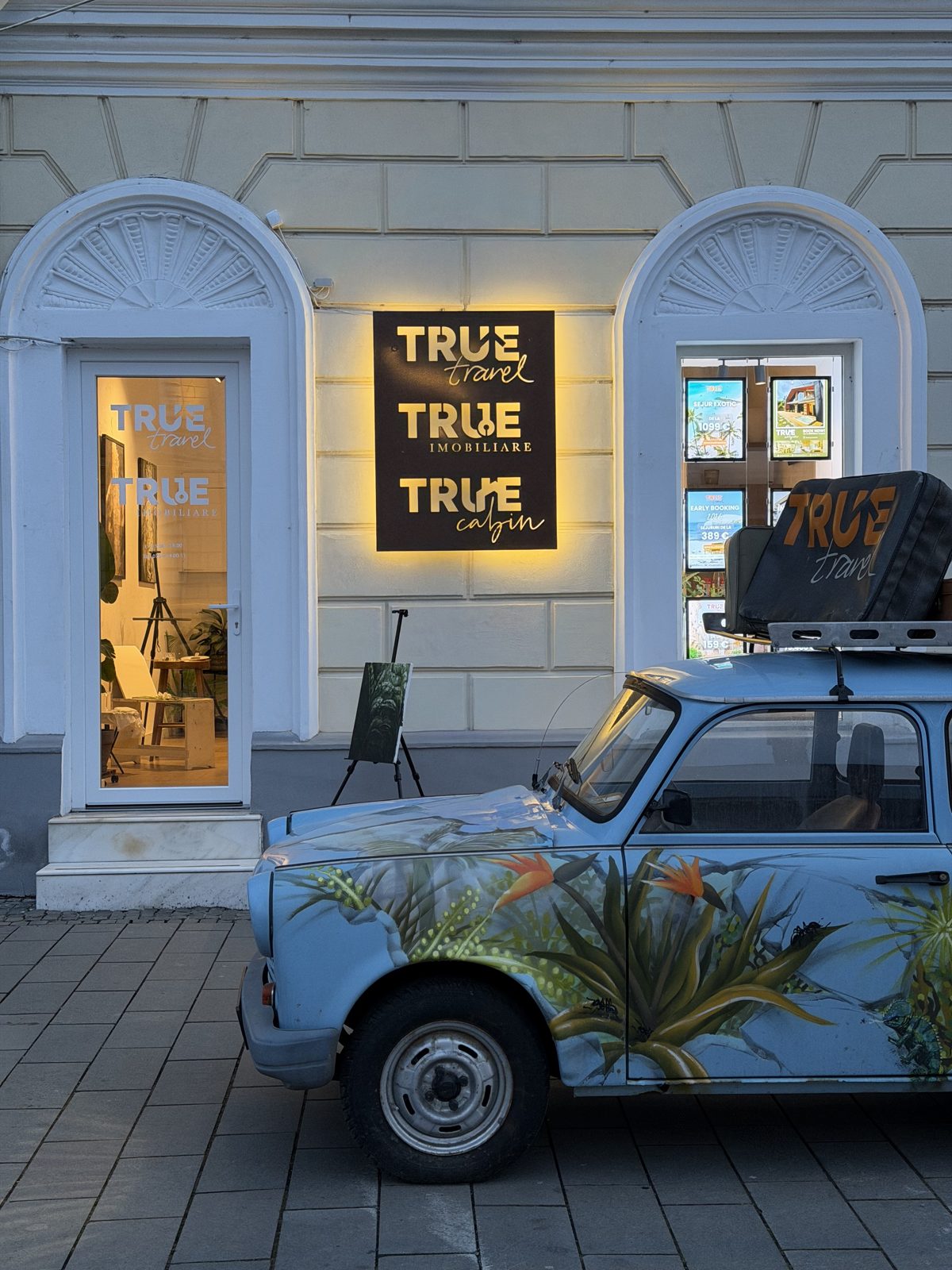
In such a competitive and nuanced market, a partner who knows it from the inside makes the difference. That is precisely why True Imobiliare, part of True Group, opened an office in January 2025 right in the heart of the city, at 1 Bulevardul Eroilor. With more than five years of experience on the Transylvanian market, the team offers valuations grounded in the reality of the market, personalised consultancy and representation for sellers, buyers and investors alike.
If you want to find out what a property is really worth in today's Cluj — or you are looking for the right home or investment — the True Imobiliare team is here for a valuation and a no-obligation chat.
Sources: Imobiliare.ro Index, via Ziua de Cluj (Feb 2026); Compariimobiliare.ro, via Știri de Cluj (Jul 2026); imo360 analysis (VIB Imobiliare & soft360), via Bursa.ro (Jul 2026); "Romania's real estate market slows in 2026", TVR Info (May 2026); Florești data, Știri de Cluj. Rental figures are indicative, from listing portals. All market data belongs to the cited sources.